Happy Clown Font Review
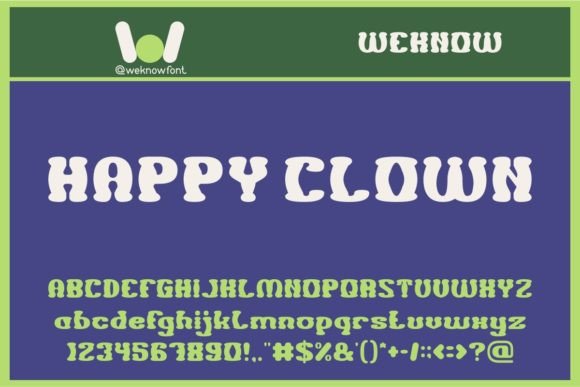
Choosing the right font for a project can feel like selecting the perfect piece of jewelry to complement an outfit—subtle, but essential. When I was redesigning the header for a lifestyle blog focused on creativity and self-expression, I turned to Happy Clown, a fancy display font that adds a touch of whimsy without overwhelming the reader.
Happy Clown for Blog Headers and Editorial Branding
Happy Clown is a fancy display font that brings a sense of playfulness and sophistication to editorial design. Its curves and flourishes make it ideal for blog headers, where it can capture attention while maintaining a refined tone. In the case of the lifestyle blog, the font worked well as the main title, offering a visual anchor that aligned with the site’s creative and approachable identity.
The font’s rhythm and personality make it a strong choice for brand identity projects. Whether used in a logo, logotype, or headline, Happy Clown has a unique charm that feels both modern and nostalgic. It pairs well with clean, readable fonts for body text, ensuring that the overall layout remains balanced and professional.
Happy Clown for Magazine Covers and Ebook Titles
When working on a recipe ebook, I experimented with Happy Clown for the title page. The font’s elegant yet expressive style gave the ebook a polished look, making it stand out in a digital marketplace filled with generic designs. Its versatility allowed it to work across different platforms, from print to PDF exports, without losing its visual impact.
Magazine covers often require bold, eye-catching typography, and Happy Clown delivers. Its ability to convey emotion through shape and spacing makes it a great option for headlines that need to command attention. Whether paired with a simple background or layered with imagery, the font maintains clarity and readability, even at larger sizes.
Happy Clown for Newsletter Graphics and Pull Quotes
Newsletters benefit from strong visual hierarchy, and Happy Clown serves as an excellent tool for pull quotes and section headers. In a recent coaching workbook, I used the font for key takeaways, which helped break up dense text and guide the reader’s eye through the content. Its decorative elements added a touch of personality without distracting from the message.
For newsletter graphics, the font’s stylized letters and soft curves create a warm, inviting feel. It works well in social media graphics, promotional banners, and email subject lines, where a bit of flair can make a big difference. However, it’s important to use it strategically, as overuse can reduce its effectiveness.
Happy Clown for Printables and Digital Magazines
Printables such as planners and worksheets often rely on clear, legible typography. Happy Clown excels in this space when used for titles, headings, or decorative accents. Its stylish appearance elevates the design without compromising usability. For example, in a printable planner, the font was used for month headers, adding a touch of elegance that made the product more appealing to users.
Digital magazines also benefit from the font’s visual appeal. When used for article titles or section dividers, Happy Clown helps create a cohesive layout that feels both professional and engaging. Its adaptability across different formats makes it a valuable addition to any designer’s toolkit.
Happy Clown for Creative Projects and Brand Identity
Happy Clown is a fancy display font that shines in creative projects, especially those that aim to evoke emotion or tell a story. In a wedding guide, the font was used for chapter titles and special sections, giving the publication a distinctive voice that resonated with the target audience. Its expressive nature made it a perfect fit for content that required a personal, heartfelt tone.
For brand identity, the font offers a unique way to differentiate a business or publication. Whether used in packaging design, web banners, or promotional materials, Happy Clown adds a layer of character that sets the brand apart. Its ability to convey mood and personality makes it a powerful tool for designers looking to create a memorable visual identity.